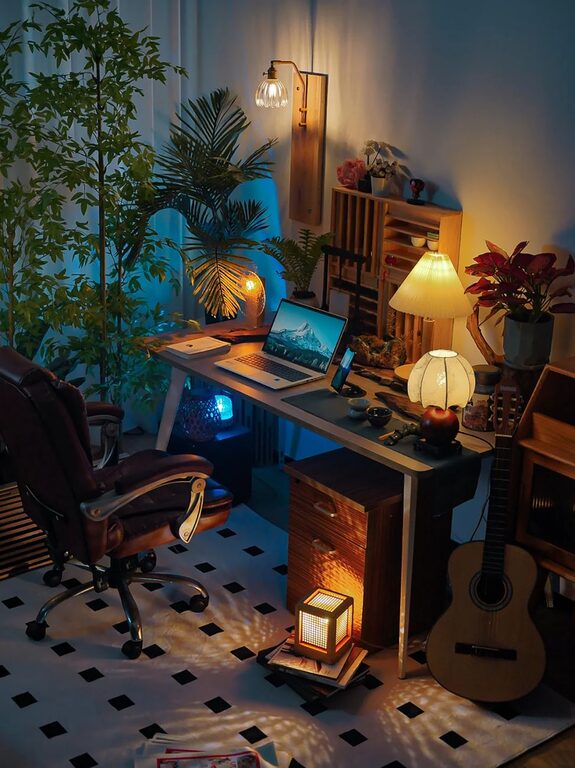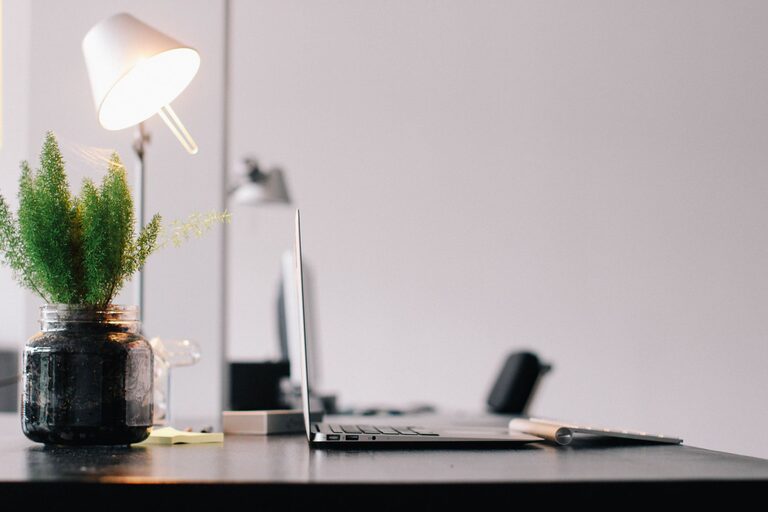
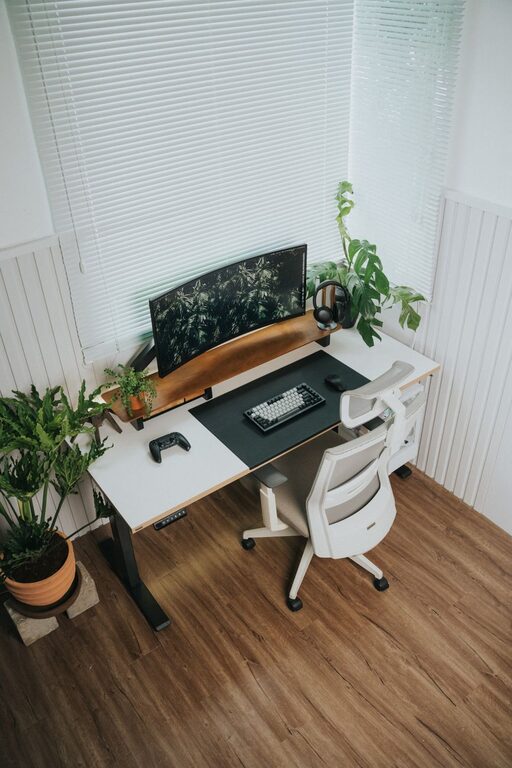
Creating a home workspace that is both relaxing and productive can seem like a challenging balancing act. Whether you are working from home full-time, studying, or managing occasional tasks, your environment plays a crucial role in your focus and well-being. In this post, we explore straightforward tips to help you design a workspace that enhances your productivity while providing a calm atmosphere to keep stress at bay.
Choose the Right Location
Find a Quiet Spot
Select a space in your home that experiences minimal distractions. Avoid high-traffic areas or places close to noisy appliances. A quiet corner in a spare room, a nook by the window, or even a well-organised section of the living room can work well.
Consider Natural Light
Natural light has been shown to improve mood and alertness. Try to position your desk near a window where you can benefit from daylight. If this isn’t possible, invest in good-quality lighting that mimics natural light.
Invest in Comfortable Furniture
Select an Ergonomic Chair
A chair that supports your back and encourages good posture is key. Avoid sitting on sofas or dining chairs, as these often lead to discomfort and distraction.
Use a Spacious Desk
Your desk should be large enough to hold your computer, documents, and any frequently used items within easy reach. Cluttered surfaces can impede productivity and create stress.
Organise Smartly
Declutter Regularly
Keep only what you need on your desk to maintain a clear, calming space. Use drawers and storage boxes to keep less frequently used items out of sight.
Use Storage Solutions
Shelving units, filing cabinets, and desk organisers can help you keep papers and stationery sorted. Label boxes and files for easy access.
Add Calming Elements
Choose Soothing Colours
Soft, neutral colours like pale blues, greens, or greys can create a tranquil environment. Avoid overly bright or harsh tones that may feel distracting.
Incorporate Plants
Indoor plants add a touch of nature, improve air quality, and can promote a sense of calm. Easy-to-care-for options like spider plants or succulents work well in workspaces.
Personalise Tastefully
Including a few personal items like photos, artwork, or inspirational quotes can make your space more inviting. Just be careful not to overcrowd your workspace with distractions.
Set Boundaries and Routines
Define Work Hours
Establish clear working times to maintain a healthy work-life balance. This helps your mind associate your workspace with focus during these times and relaxation outside them.
Take Breaks
Regular short breaks improve concentration and reduce fatigue. Try techniques like the Pomodoro method (25 minutes of work followed by a 5-minute break) to maintain productivity.
Utilize Technology Wisely
Minimise Digital Clutter
Keep your computer desktop organised and close unnecessary tabs or applications during work sessions. Use productivity tools and apps to help manage tasks and schedules.
Manage Cables Neatly
Use cable organisers to prevent a tangled mess of wires. A tidy workspace helps reduce anxiety and creates a professional feel.
Keep Comfort in Mind
Control Temperature and Ventilation
Make sure your workspace is well-ventilated and at a comfortable temperature. Fresh air and moderate warmth improve focus and comfort.
Limit Noise Distractions
Use noise-cancelling headphones or play soft background music or nature sounds to block out disruptive noises.
Regularly Review and Adapt
Your needs and preferences may change over time, so don’t hesitate to revisit and refresh your workspace setup periodically. Small adjustments in lighting, furniture, or organisation can keep your space comfortable and suited to your current tasks.
—
By thoughtfully combining these elements, you can create a home workspace that not only supports your productivity but also serves as a peaceful retreat within your home. A well-designed space is an investment in your work performance and overall wellbeing — start small, stay consistent, and enjoy the benefits of your personalised workspace.
About the Author