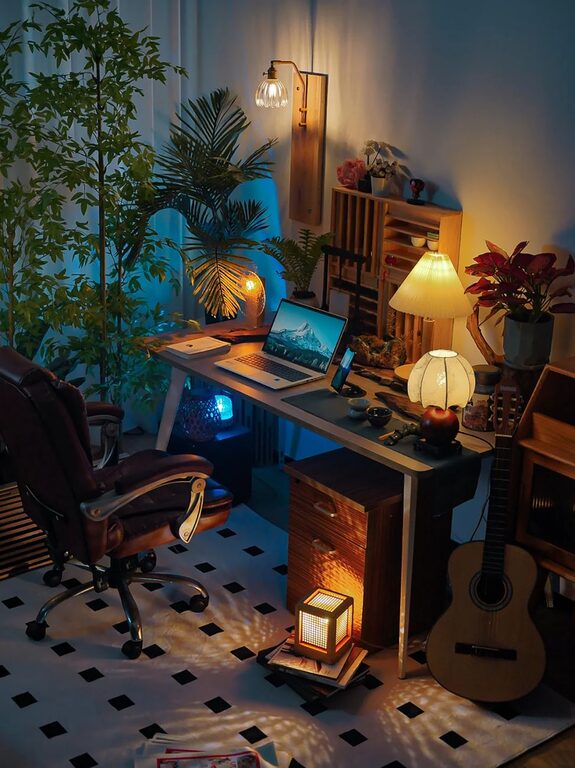
Creating a cosy and inviting home office space is essential for anyone who spends a significant portion of their day working from home. A comfortable, well-designed workspace not only improves productivity but also helps reduce stress and promotes a positive mindset. Whether you have a dedicated room or a small nook, the following tips will guide you in designing a home office that feels welcoming and inspires you to do your best work.
Choose the Right Location
Before diving into design details, consider where your home office will be located. Ideally, you want a quiet spot with minimal distractions. If possible, select a room with plenty of natural light. Sunlight boosts mood and energy levels, making your workspace more pleasant and healthier.
If space is limited, find a corner or convert a small area in your living room or bedroom. Use room dividers, shelves, or curtains to create a sense of separation from the rest of the home.
Invest in Comfortable Furniture
Comfort is key when setting up your home office. You’ll likely spend long hours at your desk, so it’s worth investing in furniture that supports good posture and comfort.
– Ergonomic Chair: Choose a chair with adjustable height, lumbar support, and comfortable cushioning. This will help prevent back and neck pain.
– Desk: Select a desk with enough surface area for your computer, documents, and other essentials. Height-adjustable desks or sit-stand options are great for changing positions throughout the day.
– Footrest: A footrest can boost comfort if your feet don’t reach the floor properly when seated.
Choosing furniture that suits your body and working style can reduce fatigue and improve focus.
Consider Colour and Lighting
Colour plays a significant role in how your workspace feels. Soft, neutral tones like light greys, beiges, or pastels create a calm atmosphere, whereas brighter colours can energise and inspire creativity.
For lighting, combine natural light with stylish artificial options:
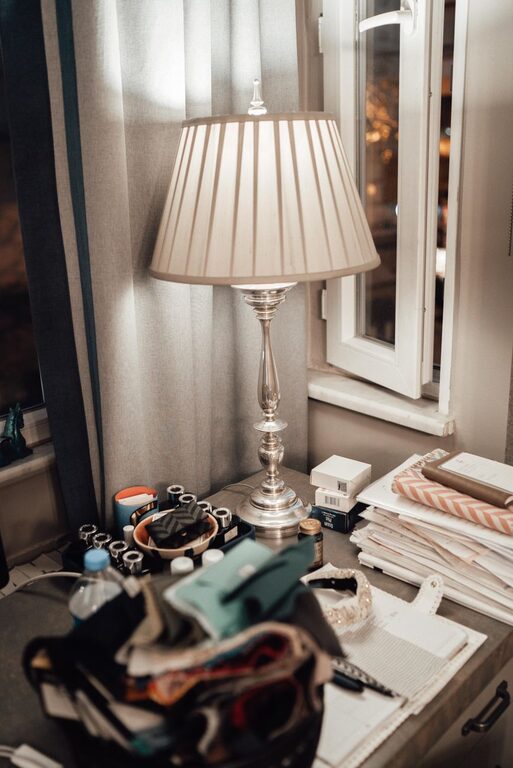
– Desk Lamps: Adjustable desk lamps provide focused light for tasks.
– Ambient Lighting: Soft overhead lights or fairy lights add warmth.
– Avoid Glare: Position your screen and lighting to reduce glare and eye strain.
Good lighting supports your wellbeing and helps you stay alert throughout the day.
Add Personal Touches
To make your office inviting, personalise the space without cluttering it. Add items that motivate or soothe you, such as:
– Personal photos or artwork
– Plants or fresh flowers
– Inspirational quotes or calendars
– Favourite books or objects with sentimental value
Plants especially add freshness and improve air quality. Simple greenery like succulents or spider plants are low-maintenance choices that brighten any room.
Keep It Organised
An organised space feels less overwhelming and makes it easier to find what you need. Use smart storage solutions to keep essential items within reach but out of sight when not in use:
– Floating shelves or bookcases for books and files
– Desk organisers for stationery and gadgets
– Filing cabinets or boxes for paperwork
– Cable management tools to reduce tangles
Regular tidying at the end of each day maintains a neat environment that helps keep your mind clear.
Incorporate Comfort Elements
Finally, consider small elements that increase physical comfort and relaxation during breaks:
– A soft rug under your desk to warm your feet
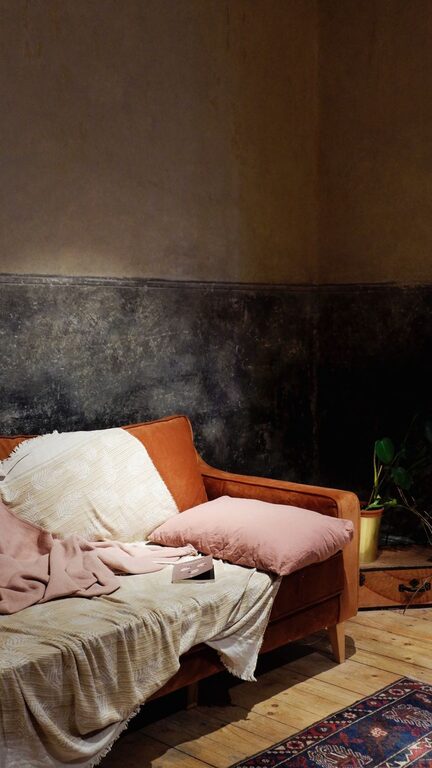
– Cushions for your chair or nearby seating
– A cosy throw blanket for cooler days
– A diffuser with calming scents like lavender or eucalyptus (if you enjoy aromatherapy)
These touches invite relaxation and provide a homely feel, encouraging you to work in a space you love.
Final Thoughts
Designing a cosy and inviting home office doesn’t require a large budget or extensive renovations. By focusing on location, comfort, lighting, personal touches, organisation, and small comforts, you can create a space that enhances your workday experience. A well-thought-out home office improves productivity and ensures you enjoy the benefits of working from home. Start with one or two changes today and see how your working environment transforms.
About the Author