Creating a home workspace that is both sustainable and organised can significantly enhance your productivity and well-being. With more people working remotely, designing an area that supports your workflow while minimising environmental impact is more important than ever. In this post, we’ll explore practical tips to help you set up a workspace that is efficient, eco-friendly, and pleasant to use.
Why Choose a Sustainable and Organised Workspace?
A sustainable workspace reduces waste, conserves resources, and promotes healthier habits. Meanwhile, an organised environment helps lower stress levels and saves time, enabling you to focus on your tasks more effectively. Combining these two aspects creates a workspace that supports both your professional needs and your values around sustainability.
Planning Your Workspace: Location and Lighting
Choose the Right Spot
Pick a space in your home with enough natural light and minimal distractions. A well-lit area reduces eye strain and lowers the need for artificial lighting, which saves energy.
Maximise Natural Light
Arrange your desk near a window to benefit from daylight. If possible, use light curtains or blinds to control glare without blocking sunlight completely.
Sustainable Materials and Furniture
Opt for Eco-Friendly Furniture
Select desks, chairs, and storage made from sustainable materials such as reclaimed wood, bamboo, or recycled metal. These materials tend to have a lower environmental footprint than plastic or non-certified wood products.
Buy Quality Over Quantity
Invest in durable, timeless pieces rather than trendy items that may need replacing soon. This reduces waste and offers better long-term value.
Consider Second-Hand and Upcycled Items
Look for second-hand furniture or consider upcycling old pieces to add character and reduce consumption.
Organising Your Workspace Effectively
Use Smart Storage Solutions
Clutter can hinder productivity and cause stress. Use shelves, filing cabinets, or drawer organisers to keep documents and supplies neatly arranged.
Embrace Minimalism
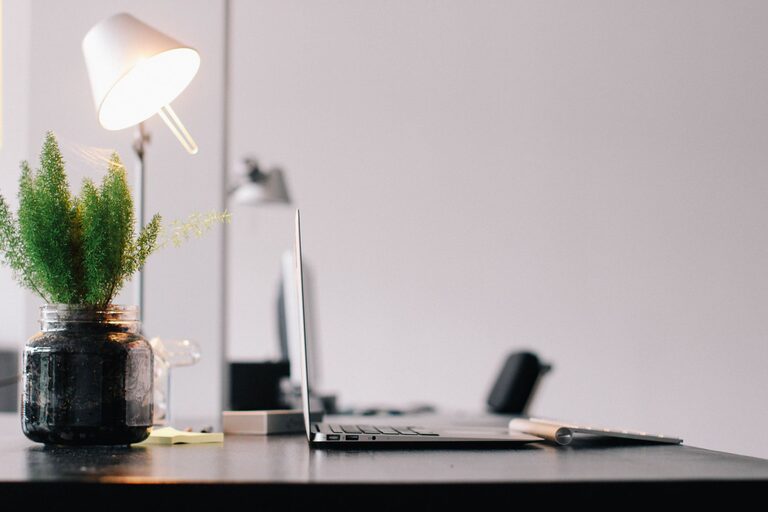
Keep only the essentials on your desk. A clear workspace promotes focus and helps you maintain good habits.
Label Containers and Files
Using labels for boxes, drawers, and folders simplifies finding items quickly, saving time and avoiding unnecessary purchases.
Green Office Supplies and Equipment
Choose Recycled and Recyclable Products
Buy notebooks, paper, and stationery made from recycled materials. Look for items that you can recycle once used.
Use Rechargeable Batteries
If your devices require batteries, opt for rechargeable types to minimise battery waste.
Manage Electronic Waste Responsibly
Recycle old electronics through certified disposal centres instead of throwing them away.
Energy-Efficient Technology
Select Energy-Saving Devices
Use energy-efficient computers, monitors, and printers. Look for labels such as Energy Star to identify low-energy consumption models.
Enable Power-Saving Features
Set your computer to enter sleep mode when inactive, and switch off devices completely when not in use.
Personal Touches That Support Sustainability
Add Plants
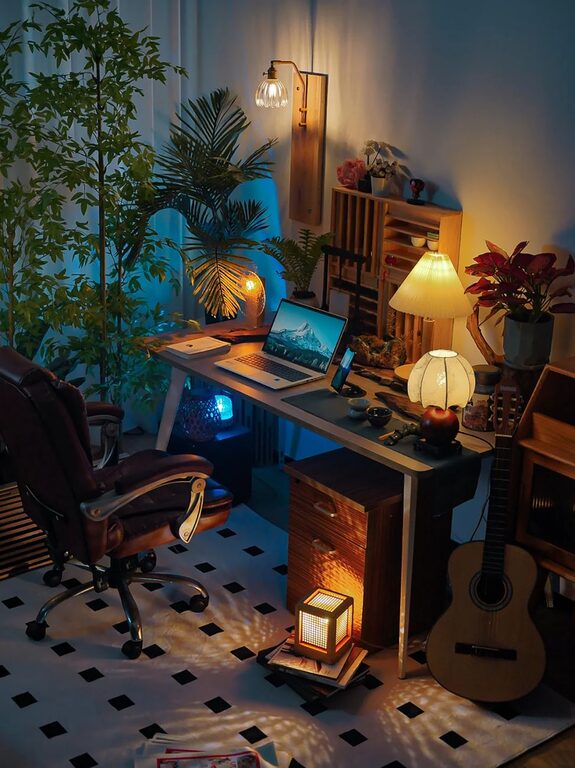
Indoor plants improve air quality and bring a touch of nature indoors. Choose easy-care varieties that thrive with minimal resources.
Use Eco-Friendly Cleaning Products
Maintain your workspace using non-toxic, biodegradable cleaning supplies that are better for your health and the planet.
Maintaining Your Sustainable and Organised Space
Regular Decluttering
Make it a habit to review and tidy your workspace weekly. Donate or recycle items you no longer need.
Digital Organisation
Keep your digital files organised with folders and cloud backups. Clearing unnecessary files prevents your devices from running inefficiently.
Adjust and Improve Over Time
Your needs may change, so be willing to adapt your setup. Sustainable practices often improve with experience.
Conclusion
Creating a sustainable and organised home workspace is a worthwhile investment in your productivity, comfort, and the environment. By choosing eco-friendly materials, managing your organisation thoughtfully, and using energy-efficient technology, you can build a workspace that supports both your work and your values. Start with small changes and watch how they make a positive difference in your daily routine.
About the Author